

.png)
How to Choose the Right Safety Shoes: Types of Safety Shoes
Our feet take us through every shift, so choosing the right footwear matters the most. The right pair of footwear helps protect us from any kind of workplace...
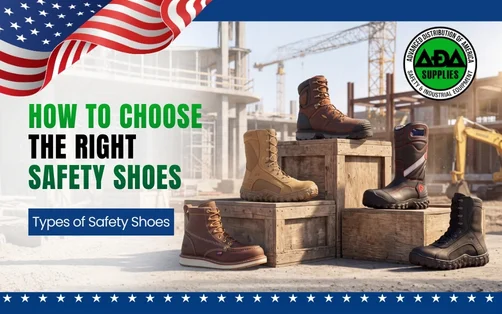
Our feet take us through every shift, so choosing the right footwear matters the most. The right pair of footwear helps protect us from any kind of workplace hazards, while also providing the comfort we need throughout the day.
How to choose the Right Safety Shoes?
Before choosing work footwear, consider the conditions you work in. Not every job requires the same kind of protection. A worker around heavy equipment may need safety-toe boots, while someone working on wet floors might need slip-resistant shoes. The choice of types of safety shoes depends on the hazards one faces at the workplace.
Common Workplace Hazards & Types of Safety Shoes
Electrical Hazards
For workers who work around high-voltage equipment or electrical circuits, electric hazard footwear can provide an additional layer of protection.
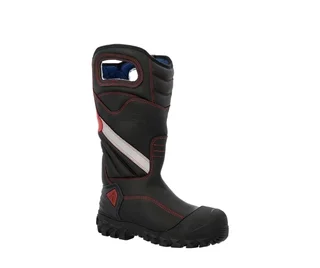
Product Link: https://www.adasupply.com/products/rocky-men-s-8-boot-rkd0087
The 15-inch safety boot gives protective toe protection along with puncture-resistant & electrical hazard protection. Built for everyday protection, comes with durable materials and cushioned comfort. Available in men’s sizes 5-16 (medium, wide, and extra-wide fits). It meets ASTM F2413 standards and is compliant with NFPA 1970.
Harsh Cold Conditions
When you work in wet and cold conditions, reliable footwear matters that gives a sole of protection against any kind of workplace hazards during cold or harsh winter.
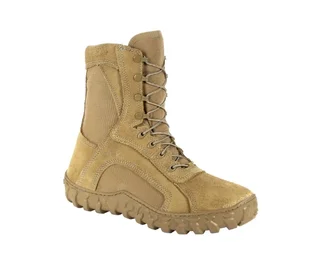
Product Link: https://www.adasupply.com/products/rocky-men-s-6-insulated-s2v-tactical-boot-rkc055
This men’s insulated S2V tactical boot helps to keep feet warm. It's built with 400g 3M™ Thinsulate™ insulation, waterproof construction, and water-resistant full-grain leather that adds protection to feet.
Wet Work Environments
For workers who are involved in muddy, wet, or demanding conditions, hip boots provide an extended layer of protection and coverage.
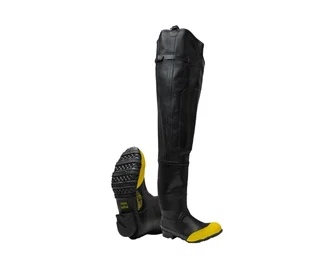
Product Link: https://www.adasupply.com/products/2hs6231
The BOSS Rubber Hip Boot includes steel toe, steel shank, adjustable buckle, reinforced knee and a belt loop strap for a protective fit. Ideal for construction, manufacturing, mining, farming, general industrial applications and oil & gas.
Indoor-Work & Surface Protection
A worker who does interior building works, interior construction, and aerospace needs fleece socks that offer lightweight footwear protection without the need for heavy-duty shoe covers.
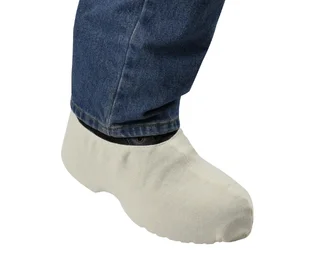
Product Link: https://www.adasupply.com/products/ws
This is a 100% cotton natural fleece cover; 6 oz knit fleece helps protect surfaces from dirt, foot traffic, scuffs, & heel marks.
Chemical-Exposed Environments
For workers who are involved in oily, dirty, or chemical-exposed working conditions and need a durable PVC blender and traditional rubber boots.
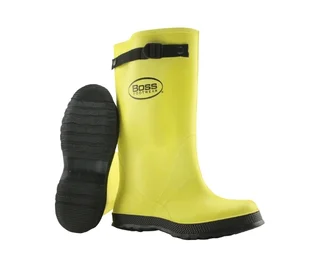
Product Link: https://www.adasupply.com/products/384-881
The BOSS 17" Over-the-Shoe Waterproof Slush Boot is 100% waterproof, helps keep feet dry, has a fuel-oil-resistant outsole, and self-cleaning traction. It offers protection against a wide range of chemical hazards.
Choosing the Right Safety Shoes for Work
The right type of safety shoes can do more than just protect your feet; they give you stable, prepared, and comfortable conditions that you face every day.
Consider your work environment, the hazards you may face, and the protection level required for that job. Then, look for safety shoes or boots that match your needs.
FAQs
1. How do I choose the right safety shoes?
You should start by identifying the hazards in your work environment first. Whether you need protection from falling objects, electrical hazards, cold conditions, etc., choose safety shoes designed for those specific risks.
2. Are waterproof shoes suitable for cold weather conditions too?
Look for insulated safety shoes or boots for cold weather conditions, as those waterproof comes with insulation to keep your feet dry and warm.
3. When should I buy slip-resistant safety shoes?
Slip-resistant shoes are best for wet, oily, and slick surfaces; they provide better tractions reduces the risk of falls and slips, for industries like manufacturing, oil & gas, mining, etc.
4. How should safety shoes fit?
Not too tight or too loose; just make sure there is enough space for comfortable movement while providing protective coverage and support.
5. How often should I replace safety shoes?
They will show signs of damaged protective toes, worn-out soles, cracks, or tears. Regular inspection of your footwear would make sure exact check.
Comments
Related Posts
 CONTRACTORS
National Manufacturing Month 2026: ADA Supplies Supports American Industry
National Manufacturing Month celebrates the people, innovation, and safety behind American manufacturing. October is more than just another month on the manufacturing calendar. In the U.S., National Manufacturing Day 2026 and National Manufacturing Month 2026 provide a chance to recognize businesses
 CONTRACTORS
Top 5 Industrial Safety Suppliers in the USA
The USA has many safety equipment suppliers, ranging from large domestic distributors to specialized PPE companies. Here are the top 5 industrial safety suppliers in the USA to consider when finding industrial safety equipment, PPE, work gear, and safety supplies.
 CONTRACTORS
5 Heat Safety Tips At Workplace
Extreme heat in the USA is a serious workplace safety issue, mainly for construction workers, who spend long hours outdoors. According to data from 2024, approximately 48 workers died from extreme heat exposure in the U.S. The data also show that occupational injuries increased by nearly 17.4% duri